When it comes to our dogs’ diets, “fat” often gets a bad rap. You see low-fat everywhere—treats, kibbles, even ads promising “lean nutrition for your pup.” But here’s the thing…
👉 Fat is not the villain.
In fact, it’s a nutritional superhero 🦸♂️—when it’s the right kind and in the right amount.
Let’s bust the myths, break down the facts, and show why dogs actually need fat to live their best, tail-wagging lives.
🧠 Fat 101: What Is It, Really?
Fat is one of the three essential macronutrients (alongside protein and carbohydrates). But it’s not just about calories. For dogs, it plays critical roles, including:
- Fueling daily energy 🔋
- Supporting brain function 🧠
- Helping absorb vitamins like A, D, E, and K 🥕🌞
- Maintaining healthy skin and a shiny coat 🐾✨
- Keeping internal organs cushioned and protected ❤️
Without enough healthy fats, your pup could look dull, feel sluggish, and even develop nutritional deficiencies.
🍗 Types of Fat: Not All Are Created Equal
Let’s break it down like a bowl of kibble:
| Type of Fat | Good or Bad? | Why It Matters | Found In… |
|---|---|---|---|
| Omega-3 Fatty Acids | ✅ Good | Anti-inflammatory, supports heart & brain | Fish oil, salmon, flaxseed |
| Omega-6 Fatty Acids | ✅ Good | Helps skin, coat, and cellular function | Chicken fat, sunflower oil |
| Saturated Fats | ➖ Okay | Energy source, but in moderation | Meat, butter |
| Trans Fats | ❌ Bad | Unnatural, leads to health issues | Processed foods (rare in pet diets) |
So yeah, fat can be harmful—but only the wrong kind in excessive amounts. When done right, it’s a health booster! 💪🐕
🐶 Signs Your Dog Needs More (Good) Fat
If your dog’s diet is too low in fat, you might notice:
- Dry, flaky skin or dull fur 🌵
- Low energy or sluggish behavior 😴
- Poor appetite or weight loss 🥲
- Trouble staying warm in cooler weather 🧣
Meanwhile, a well-balanced fat intake gives you:
✨ Glossy coat
⚡ Higher energy
🍽️ Better appetite
🦴 Strong joints
🧠 Sharper mental focus
Fat is especially important for puppies, active breeds, and senior dogs who need that nutritional edge.
🏃♂️ Active Dogs Need More Fat—Here’s Why
Does your dog love long hikes, agility courses, or just chasing squirrels for 45 minutes straight? 😂
They burn more energy and need extra fuel to bounce back—and fat provides 2.5x more energy than proteins or carbs.
Think of fat like the premium gas in your dog’s engine.
More playtime, less crash time.
Athletic dogs, working breeds, and even service dogs need higher-fat diets to perform their best. 🏆
😱 But What About Obesity?
Okay, yes—too much fat can lead to weight gain. But here’s the kicker: it’s not just about fat. It’s about:
- Overfeeding
- Lack of exercise
- Poor-quality food
- Too many table scraps 🍕 (we see you 👀)
In reality, good fat in moderation won’t make your dog fat—but a carb-heavy, low-nutrient diet just might.
👉 Pro tip: Focus on portion control and high-quality ingredients, not just “low fat.”
🛒 What to Look for on the Label
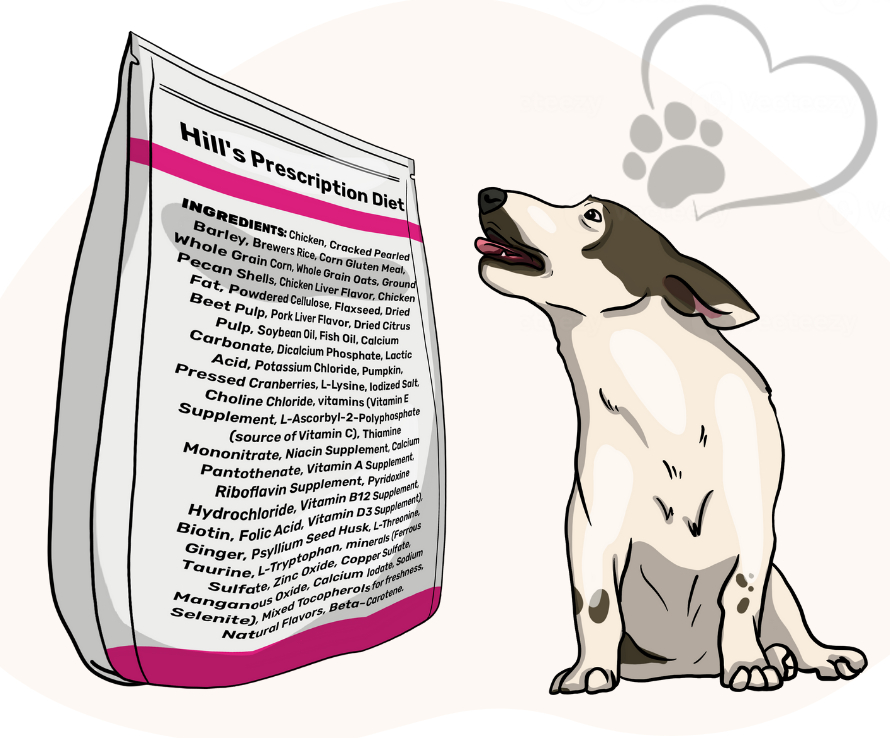
Reading dog food labels is like decoding secret spy messages sometimes. Here’s what to look for:
✅ Named animal fats like “chicken fat” or “salmon oil”
✅ Omega-3 and Omega-6 listed in the guaranteed analysis
✅ Ingredients like flaxseed, fish oil, or chia seeds
❌ “Animal fat” without specifying the source
❌ “Meat by-products” or mystery oils
High-quality brands will be transparent about their fat sources—and that’s a green flag for your pup’s health! 🟢
💡 Fun Fact: Wild Dogs Eat High-Fat Diets
Wolves, foxes, and wild dogs eat prey animals that are naturally higher in fat, especially in organs and skin.
Nature designed dogs to process fat efficiently—they’ve got shorter digestive tracts and produce enzymes that break down fat fast.
So feeding your pup a diet with moderate, healthy fat content is not just okay—it’s biologically appropriate. 🐺🍖
✅ How Much Fat Does Your Dog Need?
It depends on their age, weight, and activity level. Here’s a general guideline:
- 🐾 Puppies: 15–20% fat
- 🐕 Adult dogs (moderate activity): 10–15% fat
- 🐕🦺 Working/Active dogs: 20–30% fat
- 🛋️ Senior or less active dogs: 8–12% fat
Always talk to your vet about the right ratio for your dog, especially if they have health issues like pancreatitis or obesity.
🔄 Balance Is the Key
Like all good things, fat works best in balance—not too much, not too little. Pair healthy fats with:
- Lean proteins (chicken, turkey, fish)
- Complex carbs (brown rice, quinoa)
- Fruits and veggies (carrots, blueberries, spinach)
👉 The result? A thriving, happy, zoomie-loving dog with energy for days. 🎉🐾
📣 Final Bark
Let’s stop fearing the F-word… Fat! 🐶🍗
When done right, it’s not something to avoid—it’s something to embrace for your dog’s health, energy, and happiness.
So next time you shop for dog food or whip up a homemade treat, don’t shy away from good fats. You’re feeding love, brainpower, and wag-worthy vitality. 💚🐕
Got a favorite healthy fat-rich treat your dog goes crazy for? Drop it in the comments! Let’s share the love (and the snacks). 🍣🐾