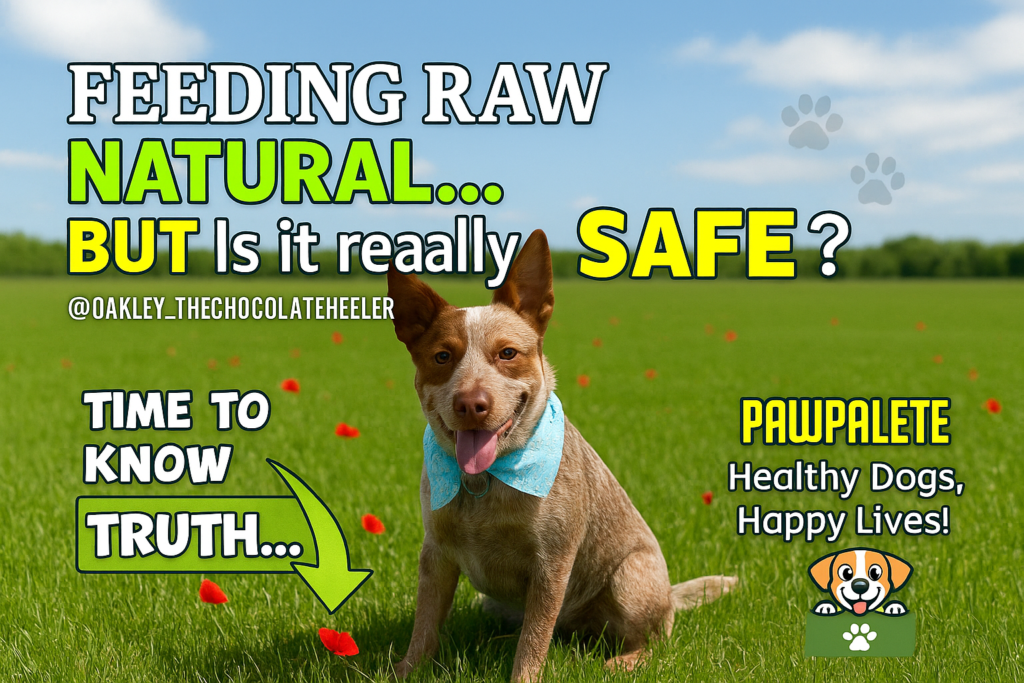
Exploring the benefits, risks, and truths behind the raw food trend.
🐾 Introduction – Why Raw Feeding Is On the Rise
More and more dog owners are trading in kibble for raw meat, organs, and bones—believing it’s closer to what dogs are “meant” to eat. Inspired by ancestral diets and a desire for more natural feeding, this trend is growing fast… but is it truly healthier?
🍗 What’s in a Raw Diet?
A raw feeding plan typically includes:
- Muscle meat (often still on the bone)
- Organ meat (like liver or kidney)
- Raw meaty bones
- Eggs
- Fresh vegetables and fruits
- Supplements like fish oil or kelp
It’s designed to be biologically appropriate, unprocessed, and rich in nutrients.
✅ The Claimed Benefits
Many raw-feeding dog parents report:
- ✨ Shinier coats & healthier skin
- 🦴 Cleaner teeth
- 💩 Smaller, firmer stools
- ⚡ Increased energy
- 🧠 Improved focus in working dogs
Some owners even say their dog’s allergies or digestive issues disappeared!
⚠️ But There Are Real Risks
Raw food isn’t risk-free. Common concerns include:
- 🦠 Bacterial contamination (Salmonella, E. coli)
- 📉 Nutritional imbalances if not properly planned
- 🧫 Cross-contamination during prep
- 🐶 Bone injuries or intestinal blockages from improper cuts
Veterinarians urge dog owners to educate themselves thoroughly before starting.
🐕🦺 Which Dogs Might Benefit the Most?
Not every dog is a perfect raw candidate, but some may thrive:
- Sensitive-stomach breeds: Bulldogs, Boxers, Shepherds
- Active breeds: Huskies, Border Collies, Retrievers
- Dogs with allergy issues or skin inflammation
Every case is unique—what works for one dog may not suit another.
📋 Tips If You Want to Try It
Thinking about going raw? Here’s where to start:
- 👩⚕️ Consult your vet or a certified canine nutritionist
- 🧼 Practice strict hygiene when handling raw meat
- 📦 Consider commercial raw brands that ensure balanced formulas
- 🔄 Introduce gradually to monitor tolerance
Raw feeding is a commitment—but for some, it’s worth it.
💬 Final Thoughts
Raw diets aren’t for every pup, but when handled safely and thoughtfully, they can offer exciting health benefits.
As with any diet, the key is balance, quality, and understanding your dog’s unique needs.